In an ever-changing world, growing children's curiosity and creativity is essential, especially in bilingual immersion. These qualities allow young people to solve problems, innovate, and gain a more open view of the world. But how can creativity be encouraged in a bilingual context? Here are a few strategies to help children grow by exploring multiple languages and cultures, while building essential cognitive and social skills.
1. Creating a stimulating environment
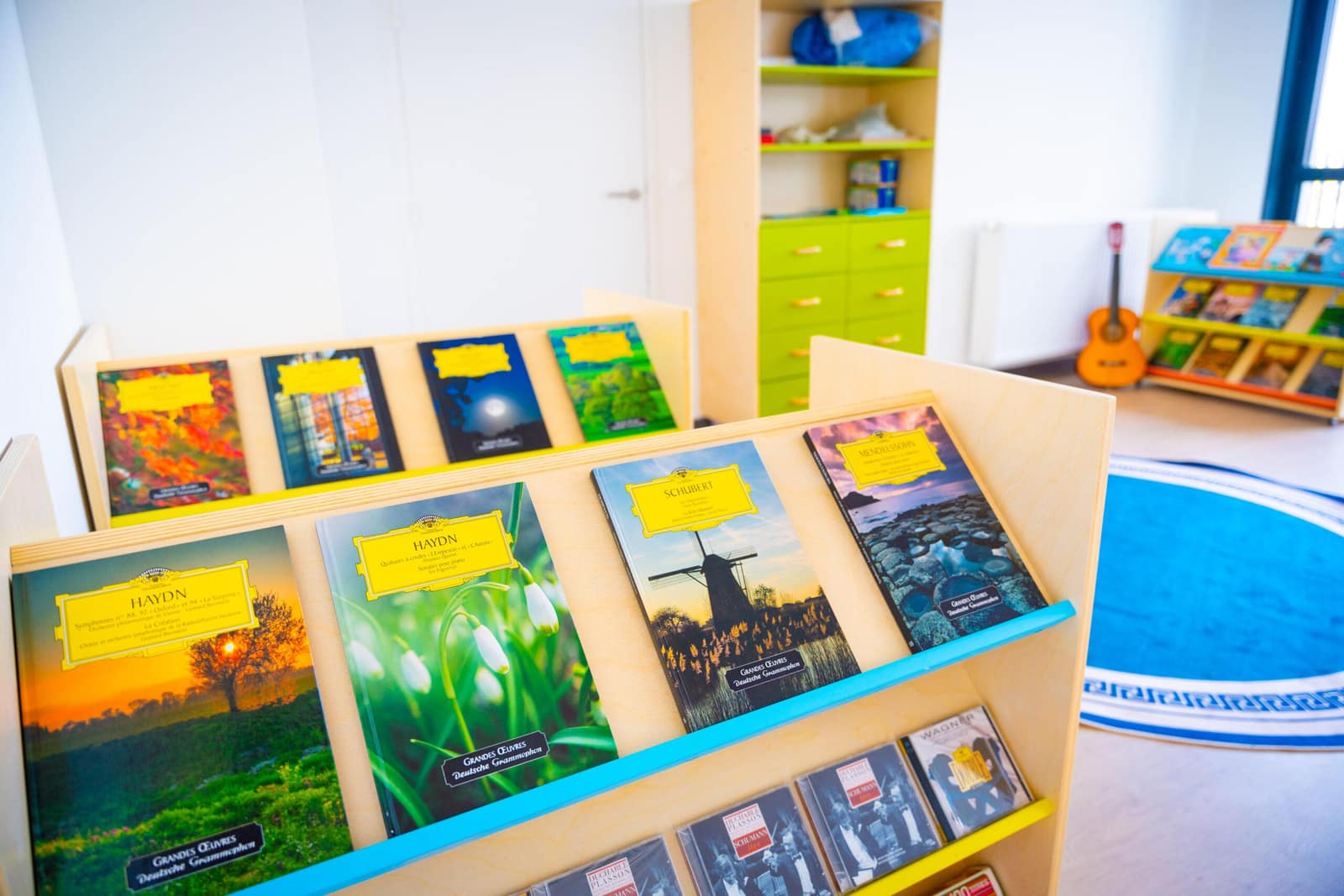
The environment plays a crucial role. Bilingual settings such as nurseries and preschools offer a space well-suited to immersion. With books, toys, and instruments in several languages, children can explore, experiment, and create.
Key elements of a bilingual environment:
Sound immersion: children listen to the target language every day (songs, nursery rhymes), making learning more fun.
Reassuring routines: repeated activities, like morning songs, strengthen language acquisition.
Creative activities: play, dance, puppets, and bilingual songs awaken curiosity and interest in other cultures.
2. Encouraging free play
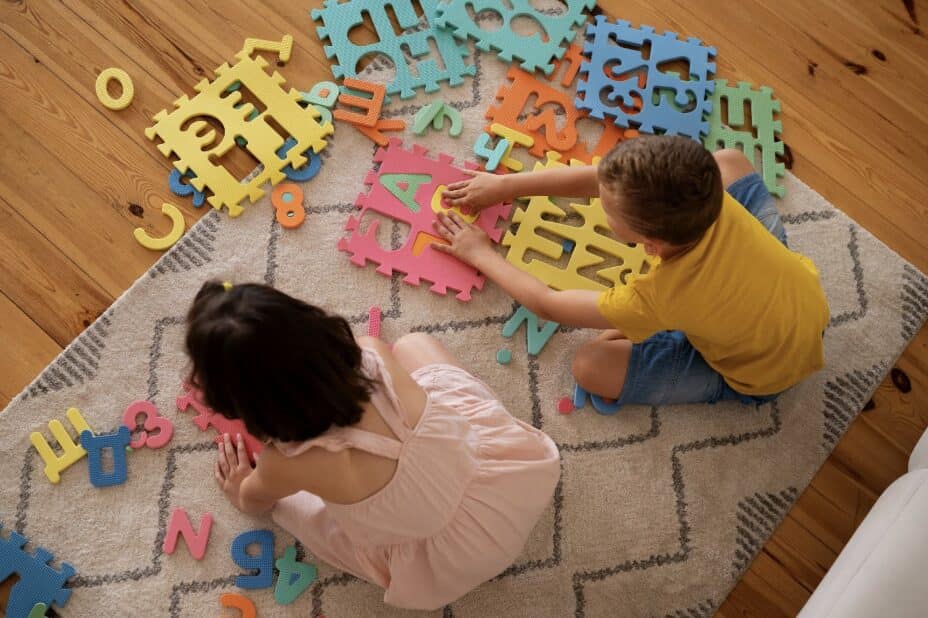
Free play stimulates imagination and creativity. In bilingual immersion, these games can incorporate cultural and linguistic elements.
Examples of bilingual games:
Role-play games: children invent stories in the target language, like playing shopkeeper in English.
Story-creation: children tell bilingual stories with puppets or stuffed toys, enriching their vocabulary.
3. Asking open-ended questions
Open-ended questions encourage personal expression. In immersion, they prompt the child to use words in the target language.
Questions to spark curiosity:
"What would happen if…?" encourages imagination.
"How would you say that in English?" helps the child practise spontaneously.
4. Valuing effort and experimentation
Learning a language is a challenge. By valuing effort more than results, we strengthen the child's self-confidence.
Strategies to encourage effort:
Cheer every attempt: each word or sentence, even imperfect, deserves recognition.
Experiment: offer games where the child tries out new combinations of words and sentences.
5. Bringing in culture for complete immersion
Language is a gateway to culture. By weaving in cultural elements, such as songs or stories, children dive into a broader world beyond just words.
Activities to discover culture:
Cooking recipes: discovering traditional dishes while learning the vocabulary.
Cultural rituals: celebrating Halloween or the Fête des Lumières to understand other cultures.
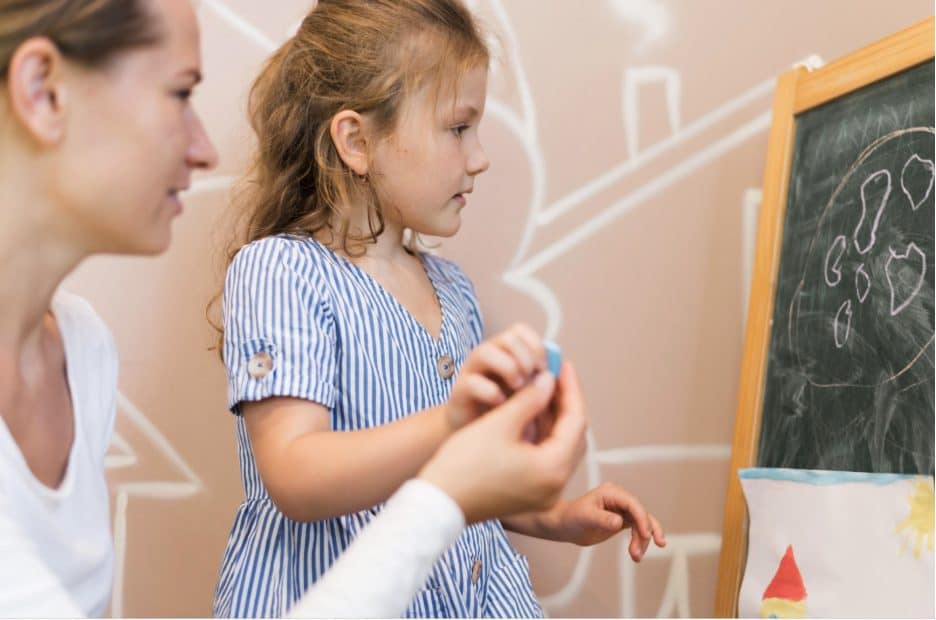
6. Encouraging interactions with bilingual adults
Bilingual adults become linguistic and cultural role models. They show that language is a means of personal expression, not just a school exercise.
Growing children's curiosity and creativity through bilingual immersion is an investment in the future. This journey is nurtured by varied language experiences, the encouragement to play, ask questions, and discover different cultures. With these strategies, children can explore the world through language, becoming curious, open, and creative citizens, able to navigate an ever more interconnected society.
To learn more about our news, head over here!