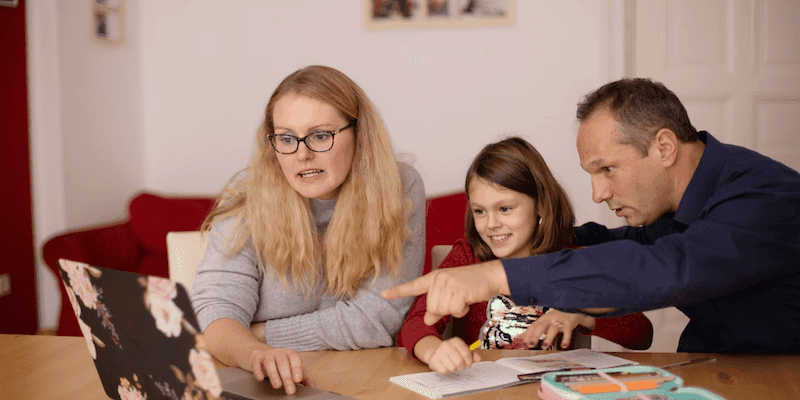
Learning a second language is a valuable skill that offers many benefits to children. Here are a few tips to help parents effectively support their children's bilingual learning at home.
Create a rich language environment
Regularly expose your children to both languages by creating a rich language environment at home. Read books, watch films for older children, listen to music, and speak in both languages. The more children are immersed in both languages, the more they will build their language skills.
Encourage communication
Encourage your children to communicate in both languages, even if they make mistakes. Foster an environment where they feel comfortable expressing themselves in both languages without fear of constant correction.
Use educational resources
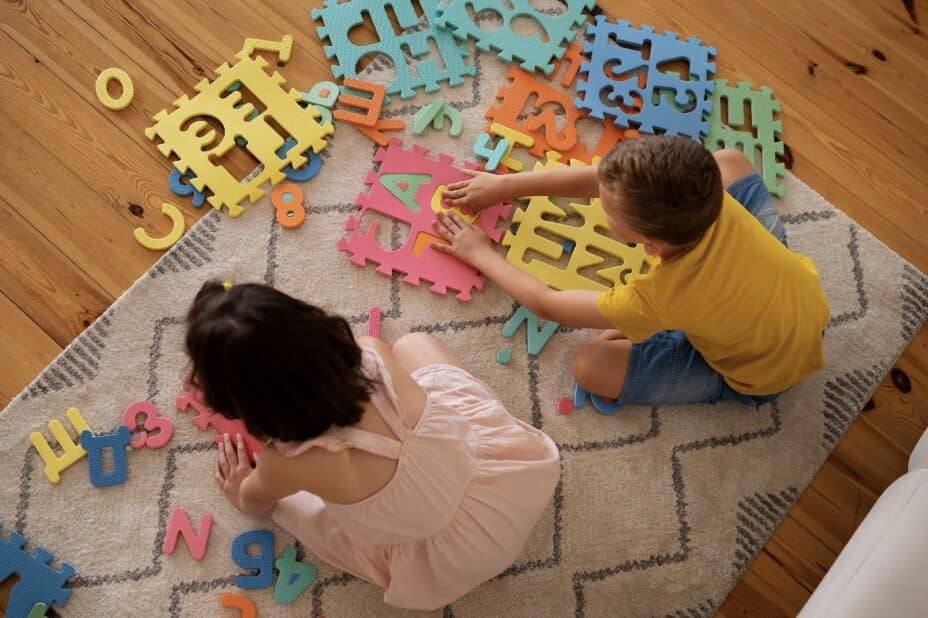
Use educational resources such as apps, games, and books suited to bilingual learning. These tools can make learning more fun and interactive for children.
Get involved in learning
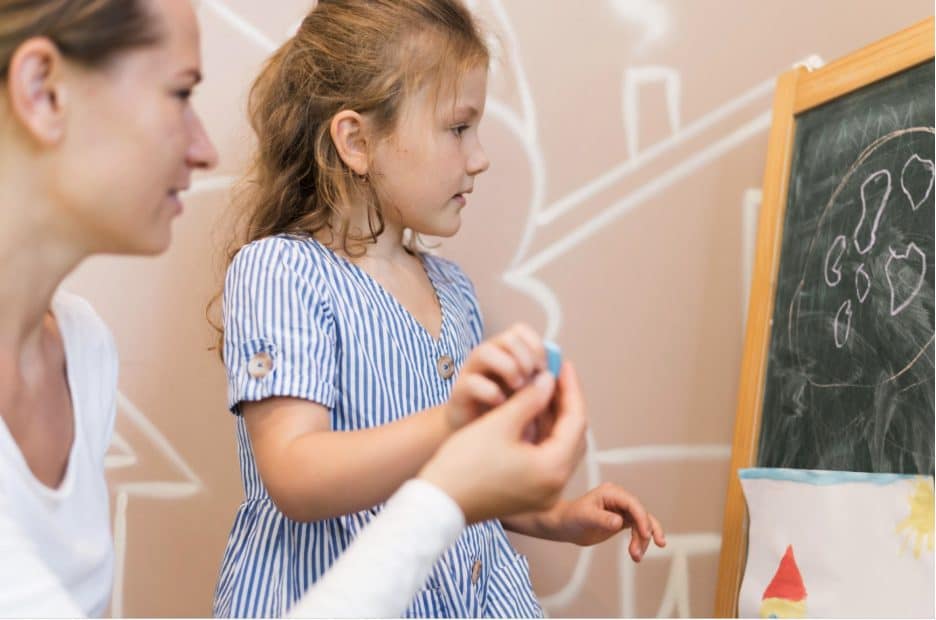
Get actively involved in your children's learning. Ask them questions about what they have learned, take part in their educational activities, and show interest in their progress.
Create cultural experiences
Link language learning to cultural experiences. Cook traditional dishes, attend cultural events linked to the language to enrich understanding of the culture.
Be patient
Learning a second language can take time, and children may progress at different paces. Be patient and encouraging, and avoid putting too much pressure on your children.
By following these tips, you can play an active role in supporting your children's bilingual learning at home. Learning a second language is a rich journey that opens new opportunities and perspectives for children, and parental involvement is essential to nurture this language development.
To follow all our news, follow us on social media and read our latest articles!