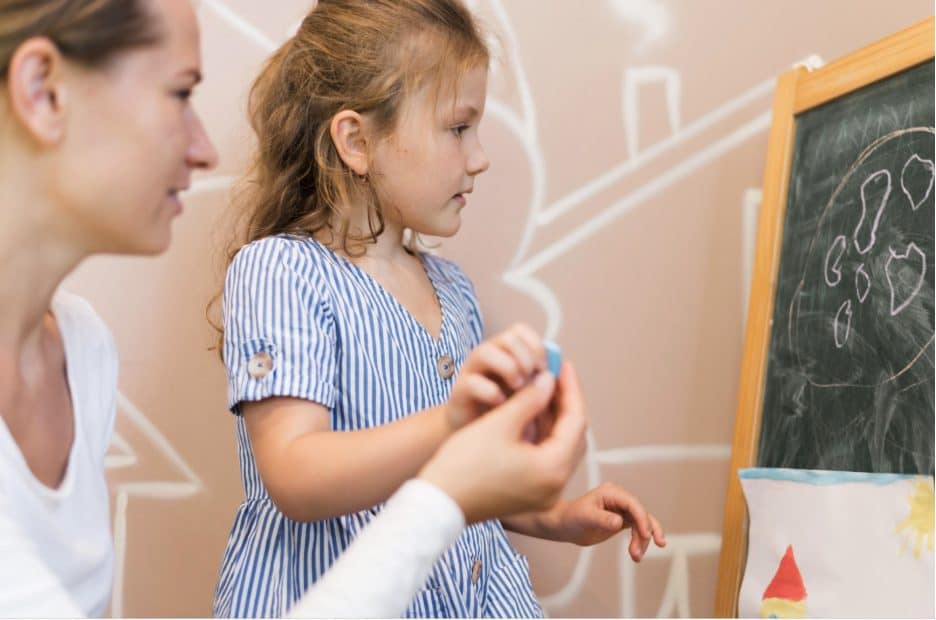
Stepping into a bilingual school environment is a defining moment in a child's journey. This transition calls for caring support, both at home and at school, so the child can truly thrive in this new world!
Preparing the ground: a gentle introduction to the foreign language
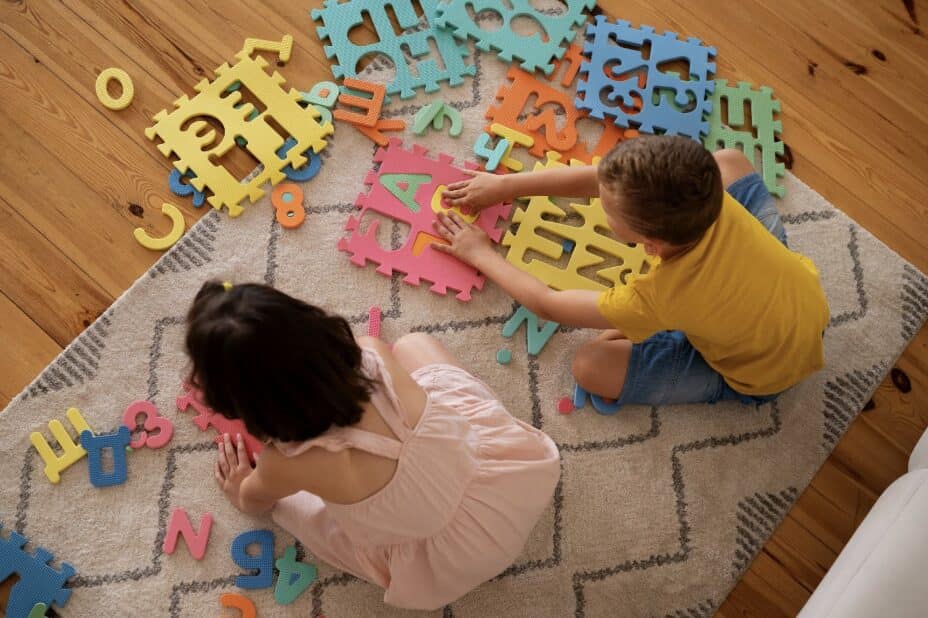
The first step towards a successful transition to a bilingual school often begins before the academic year even starts. Early exposure to a foreign language - through games, songs, or bilingual books - helps the child get used to the sounds, rhythms, and structures of the language they're about to discover. It doesn't need to be structured in an academic way; playful and natural experiences work best.
Continuity at home
When a child attends a bilingual school, it is helpful to maintain some continuity in the languages spoken at home. Parents can adopt the so-called "one parent, one language" approach, where each parent commits to speaking one specific language to the child. This gives the child a natural and predictable immersion, which is reassuring and supports the equal acquisition of both languages.
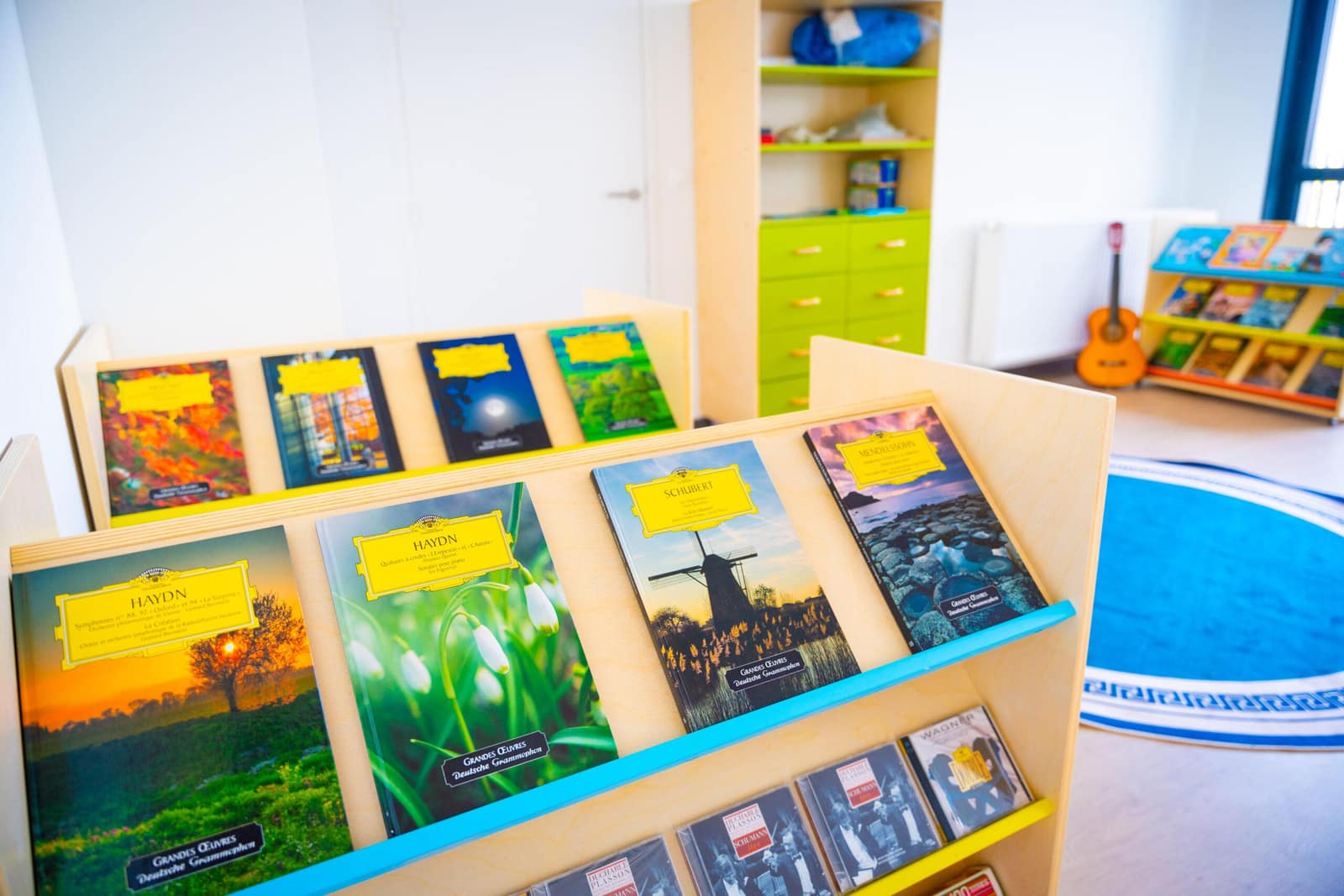
Parents can also offer games in English, English-language books, and any other English-language activities!
Positive learning at school
The bilingual school plays a vital role in this stage of a child's life. It must offer a structured framework while remaining flexible and responsive. A teacher who understands the challenges of a child in a bilingual setting will design activities that foster inclusion and an understanding of both languages and cultures.
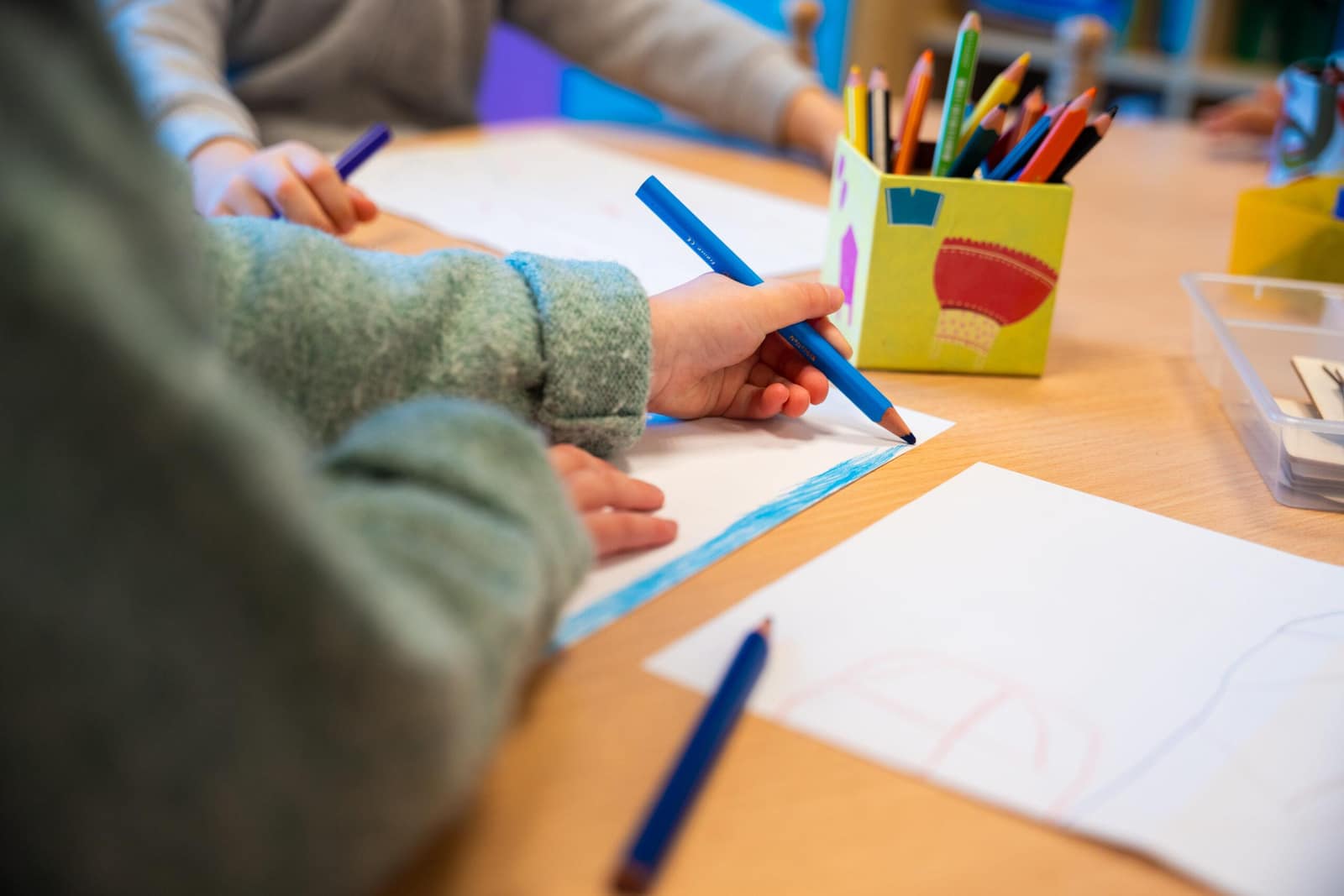
This is achieved through playful activities that help children become familiar with subject-specific vocabulary, interactive exchanges where the child can hear and use the language without pressure, and listening moments where they gradually absorb information in a language they are only beginning to master.
Emotional support and the reassuring atmosphere of school
The transition to a bilingual school is not just about learning languages, but also about emotional and social adaptation. The child may feel confused or frustrated when confronted with words and concepts they don't yet grasp. That's where constant emotional support is essential!
A gentle transition
Ultimately, a successful transition from home to bilingual school means giving the child a solid foundation of tools and resources to thrive in a multilingual learning environment. It calls for patience, flexibility, and kindness, both at home and at school. With the right support, children will feel at ease in this world of linguistic and cultural diversity, where every language and every culture has its place.
The goal is to make this transition not a hurdle, but an open door to new opportunities for learning, understanding, and personal growth. Caring support and clear communication will help the child embrace this bilingual adventure with confidence and emerge richer for it - linguistically and personally.