The French school system has long been criticised for its lack of foreign-language teaching.
However, for several years now, the state school system has introduced the learning of a first foreign language in primary school - mainly English. Yet at the end of secondary school, few pupils speak one or more other languages well enough to confidently move on to higher education.
Bilingualism and command of different foreign languages are, however, essential in many professional sectors and bring many personal benefits.
The strengths of bilingualism: communication and relationships with others
The aim of bilingual preschools and primary schools is to gradually teach a foreign language very early on. New School bilingual school is one of them.
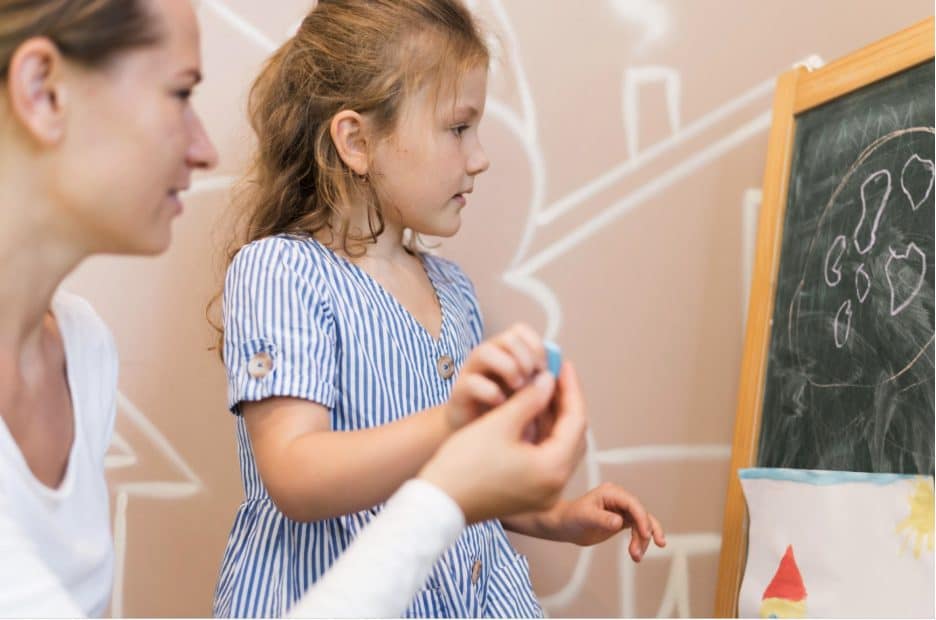
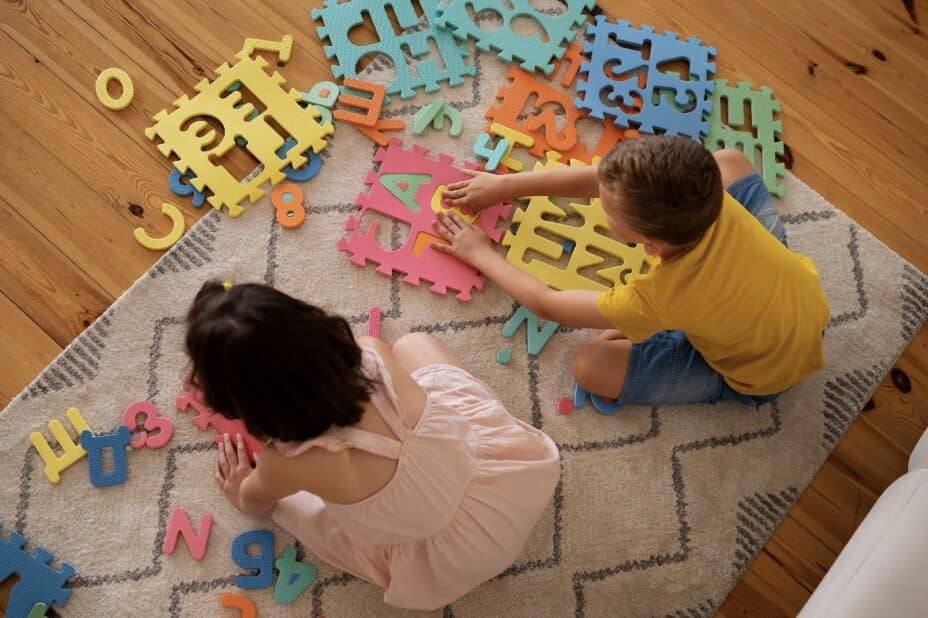
New School offers children the opportunity to immerse themselves in English for half a day, every day, from the age of 2 (in the youngest preschool year), with native or English-speaking teachers; preschool children thus begin learning another language and another culture while having fun.
Bilingualism gives children ease in communicating with others and helps them better accept differences. It also fosters the learning of other foreign languages. It has been shown that bilingual children absorb a third or fourth language more easily.
Knowing another language is an asset for communicating during trips abroad. New School, in particular, organises two language trips for primary children. The first trip to England is a first language stay and a first experience without parents, before the trip to the United States. The stay in the United States is full immersion in a host family and an American school.
Language trips
Thanks to these trips, the children become used to communicating and exchanging with others in another language.
Being bicultural and bilingual helps a child develop self-confidence, as they are more open to the world around them.
Bilingualism is the victim of preconceptions - such as the belief that, by learning several languages, children mix them up or have a smaller vocabulary.
On the contrary, bilingualism develops the child's ability to learn, absorb, and memorise a broad range of vocabulary. It's a real intellectual advantage for later professional life.
It's worth knowing that young children do not mix languages; they perceive them through differences of contrast and tonal register, and they have the ability to distinguish them just as one can recognise different musical styles by ear.
Gaining entry to the best higher education thanks to language mastery
Bilingualism gives children the chance to pursue international studies and careers. Teaching English to children will allow them later to communicate abroad, English being the universal language of communication. It is a factor for academic and professional success.
Neuroscience has also shown that learning a foreign language from the youngest age helps the child build cognitive skills, which makes problem-solving easier and develops their creativity.
With advanced language skills, they have an additional asset to confidently begin higher education. Bilingual people have the chance to stand out from others, particularly against other job candidates. Employers are indeed looking for people able to communicate in English and adapt quickly in a variety of environments.
Book an appointment